Financing models
7 Equipment Financing Mistakes That Cost SMEs Money
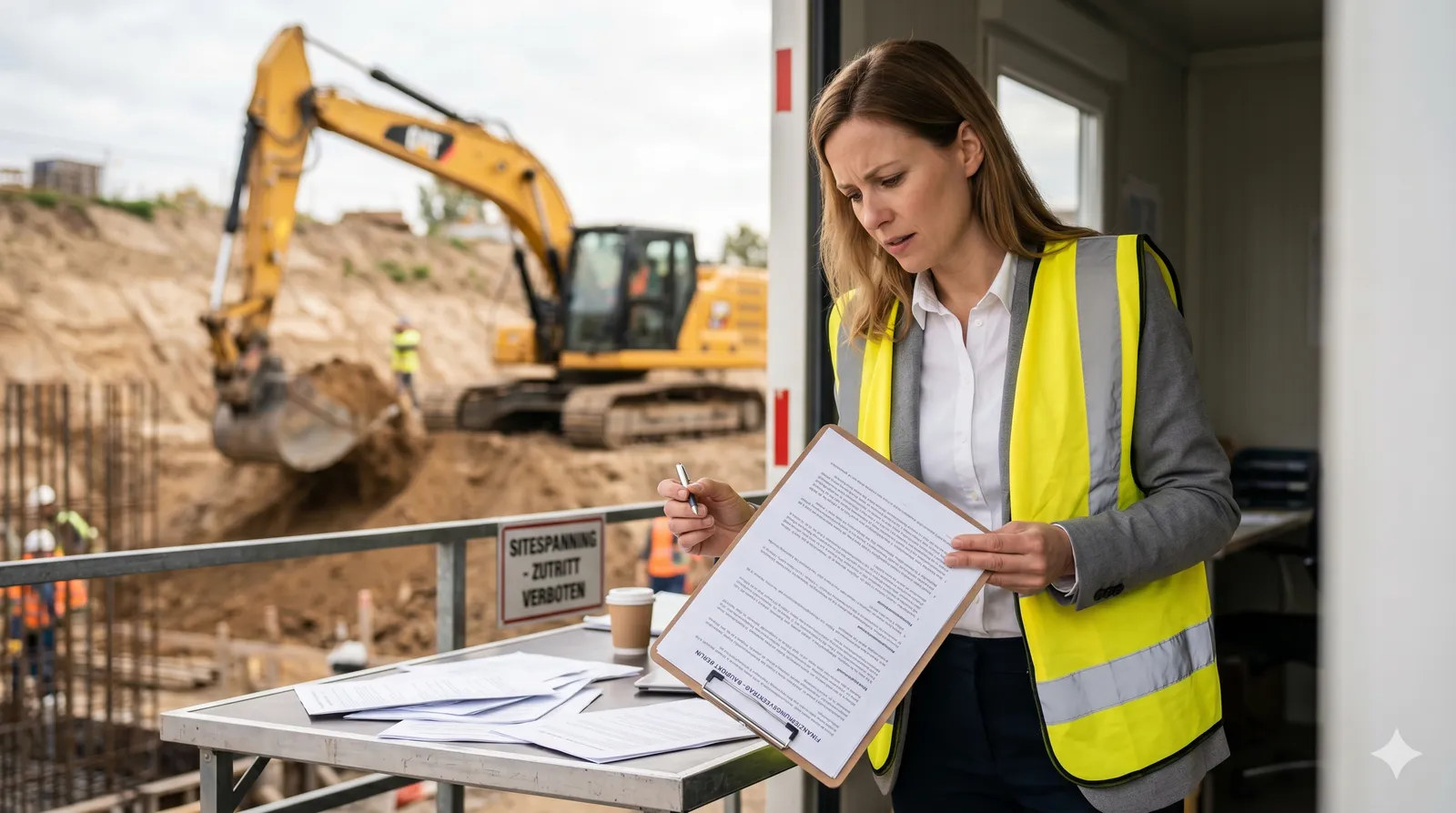
Most equipment financing decisions go wrong for the same handful of reasons. Here are seven mistakes that quietly drain cash, and the questions that stop them.
Most equipment financing decisions go wrong for predictable reasons. The machine is fine; the deal around it costs more than it should. Below are the seven mistakes we see most often among industrial and maritime SMEs, and what to do instead.
1. Choosing on monthly price, not total cost
A low monthly payment is the easiest number to compare and the most misleading. Stretch the term, add a balloon at the end, or quietly drop maintenance from the quote, and the monthly figure falls while the lifetime cost rises. Always compare the total cost over the full term, including fees, residuals and end-of-contract charges. Build the full picture with a total cost of ownership view before you commit.
2. Ignoring balance-sheet treatment
Under IFRS 16, most leases longer than 12 months land on your balance sheet as a right-of-use asset and a matching liability. That raises reported debt and can push you against loan covenants or a worse credit band. If your borrowing headroom is tight, an off-balance-sheet route such as genuine short-term rental may be worth more than a slightly lower rate.
3. Over-committing on the term
Signing a five-year lease for a machine you need for eighteen months is a quiet, expensive error. You pay for use you never get, and early termination penalties make exit painful. Match the financing term to actual need and to how fast the equipment ages. For seasonal or project work, rental almost always wins.
4. Skipping the utilisation check
Owning or leasing only pays off if the machine works hard. A crane that runs 30% of the year still costs you 100% of the lease. Before you finance, estimate realistic annual utilisation. Below roughly 50 to 60%, renting on demand usually beats committing to a fixed payment for an idle asset.
5. Leaving maintenance and insurance out of the comparison
A bare lease quote and a full-service rental rate are not the same product, yet they get compared as if they were. Service, maintenance, downtime cover and insurance can add 15 to 30% to the running cost of ownership. Put every option on the same basis: total cost including upkeep, or you are comparing apples with invoices.
6. Ignoring obsolescence risk
Emissions rules, electrification and tightening site requirements can strand a machine long before it wears out. A diesel unit bought today may be barred from low-emission zones within its depreciation window. Shorter access models pass that risk to the supplier. Owning keeps it with you.
7. Not comparing access models at all
The biggest mistake is treating the decision as buy-or-don't. Rental, operating lease, finance lease and hybrid lease-to-own each suit different utilisation and cash-flow profiles. Comparing only one or two leaves money on the table. Start with rent, lease or finance equipment to see how the models differ, then run your own figures in the rent vs lease vs buy calculator.
A quick reference
| Mistake | Cheaper fix |
|---|---|
| Judging by monthly price | Compare total cost over the term |
| Ignoring IFRS 16 treatment | Check on- vs off-balance-sheet impact |
| Over-long term | Match term to real need |
| No utilisation check | Estimate annual usage first |
| Excluding maintenance/insurance | Compare like-for-like, all-in |
| Ignoring obsolescence | Favour shorter terms for fast-ageing kit |
| Comparing one model | Price rental, lease and hybrid together |
None of these require a finance team to avoid. They require asking what the machine will actually do, for how long, and what the full cost is across every available model before you sign.
Frequently asked questions
- What is the most common equipment financing mistake?
- Choosing the option with the lowest monthly payment. A low monthly figure often hides a longer term, a balloon payment, or excluded maintenance and insurance. The total cost over the full term is what matters, not the headline rate.
- Does it matter whether a lease is on or off the balance sheet?
- Yes. On-balance-sheet leases add a right-of-use asset and a liability under IFRS 16, which affects gearing and loan covenants. If your borrowing capacity is tight, the accounting treatment can matter as much as the price.
- How do I avoid over-committing on the lease term?
- Match the term to how long you genuinely need the machine and how fast it ages. For seasonal or project-based use, short-term rental usually beats a multi-year lease. Run the numbers before you sign.
Sources & further reading
About the author
Equiply Editorial TeamEquipment Finance Editorial Team
The Equiply editorial team covers industrial and maritime equipment access — rental, leasing and financing — for procurement and finance leaders across Europe.
Compare your options on Equiply
Equiply brings rental, leasing and financing for industrial and maritime equipment into one place. Be first to access the marketplace.