Maritime & industrial
8 Ways to Improve Equipment Utilisation
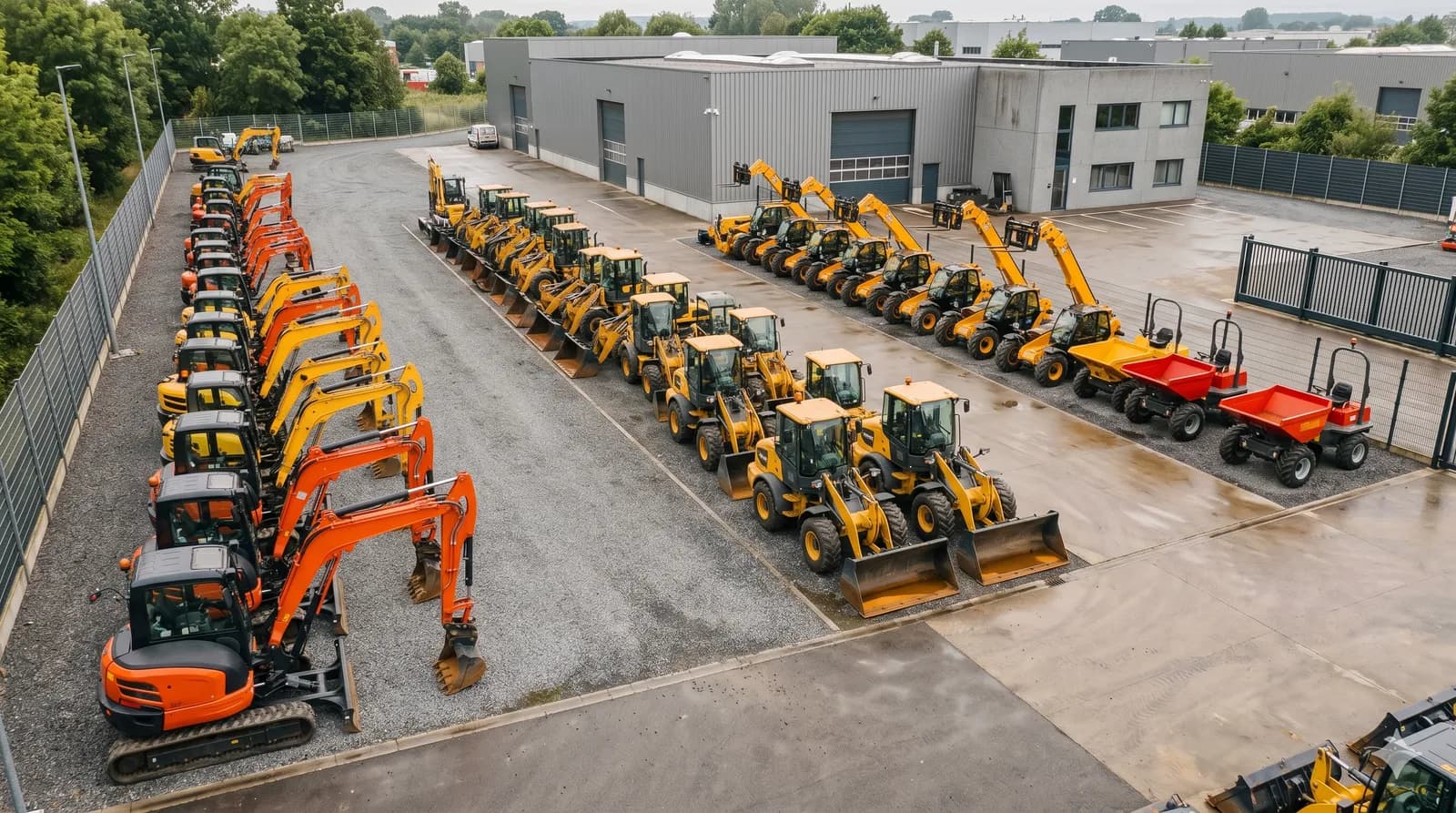
Idle machines burn cash quietly. Utilisation is the single number that exposes it, and a handful of disciplined tactics can move it fast.
If you want to raise equipment utilisation quickly, start by measuring it per machine, retire or rent out the assets sitting below your threshold, and shift peak demand onto rental instead of buying for the busiest week of the year. Utilisation is the share of available time a machine actually earns, and small improvements compound across a fleet because every idle hour still carries depreciation, insurance, storage and certification cost. The eight tactics below move that number in order of impact.
1. Measure utilisation per machine, not as an average
You cannot improve what you do not see clearly. Track operating hours or working days against available time for each asset, ideally pulled automatically from telematics rather than from logbooks. A fleet-wide average of 65 percent can hide three machines at 90 percent and two at 30 percent. The idle units are where the money leaks, and only per-asset data exposes them.
2. Right-size the fleet to real demand
Once you can see utilisation per machine, match the fleet to genuine demand rather than to peak demand. Most fleets carry units bought to cover a one-off surge that never recurred. Identify the assets that consistently fall below your utilisation threshold and decide, deliberately, whether each one earns its place.
3. Rent for peaks instead of owning for them
Owning enough machines to cover your busiest week means most of that capacity sits idle the rest of the year. Cover the baseline with owned equipment and meet the peaks with short-term rental. Your cost then rises and falls with workload instead of staying fixed. This is the core of deciding when to rent, lease or finance equipment, and it is the fastest way to lift the utilisation of what you do own.
4. Schedule and share across sites
Within a multi-site business, the same machine is often idle on one site while another hires in the equivalent. A shared scheduling view, even a simple shared calendar, lets you move assets to where the work is before reaching for an external hire. Internal transfer costs are usually far lower than the rental you avoid.
5. Run preventive maintenance on a schedule
A machine in the workshop is a machine at zero utilisation. Planned, scheduled maintenance keeps assets available and avoids the long unplanned outages that wreck utilisation figures. Servicing during known quiet windows rather than reacting to breakdowns protects the hours you can actually bill.
6. Attack the causes of downtime
Beyond maintenance, the operational causes of stoppages quietly erode utilisation: waiting on parts, untrained operators, the wrong machine for the task. Each one converts available time into idle time. Working systematically to reduce equipment downtime directly raises the share of time each asset earns.
7. Dispose of persistently idle assets
Some machines never recover. If an asset stays below threshold across a full demand cycle and cannot be redeployed, selling it stops the bleed of holding costs and frees capital. Holding an idle machine "in case" is rarely cheaper than renting the same capability on the one occasion you need it.
8. Use the right access model for each asset
Utilisation is ultimately a portfolio decision. Constant-use machines justify ownership; intermittent ones suit rental; medium-term needs may suit a lease or hybrid. Map each asset against its real usage and choose the model that keeps cost aligned with work. For yards and contractors facing swinging demand, our guide to shipyard equipment: rent, lease or buy works through this trade-off, and the rent vs lease vs buy calculator puts numbers on it for a specific machine.
Where to start
Begin with measurement, because it ranks every other tactic. Once you know which assets underperform, right-size the fleet, push peaks onto rental, and tighten maintenance and downtime. Utilisation is not a one-off project; it is a number to watch and defend every quarter.
Frequently asked questions
- What counts as good equipment utilisation?
- It depends on the asset and the sector, but most owned heavy equipment should aim for utilisation well above 60 percent of available working time to justify ownership. Below roughly 40 to 50 percent, renting the machine for the periods you actually need it is usually cheaper than owning it. Track the figure per machine rather than as a fleet average, because averages hide the idle units.
- How do I measure equipment utilisation accurately?
- Use operating hours or working days against available hours or days, captured automatically through telematics rather than from memory or paperwork. Engine hours alone can mislead because a machine can idle without working, so where possible separate productive time from idling. Consistent measurement per asset is what turns utilisation into a decision tool.
- Is it better to rent or own equipment with low utilisation?
- If a machine sits idle for long stretches, owning it means paying for depreciation, insurance, storage and certification on an asset that earns nothing. Renting that capability only for the peaks converts the fixed cost into a variable one that tracks workload. Own the machines you run constantly and rent the rest.
Sources & further reading
About the author
Equiply Editorial TeamEquipment Finance Editorial Team
The Equiply editorial team covers industrial and maritime equipment access — rental, leasing and financing — for procurement and finance leaders across Europe.
Compare your options on Equiply
Equiply brings rental, leasing and financing for industrial and maritime equipment into one place. Be first to access the marketplace.