Maritime & industrial
Managing Seasonal Equipment Demand
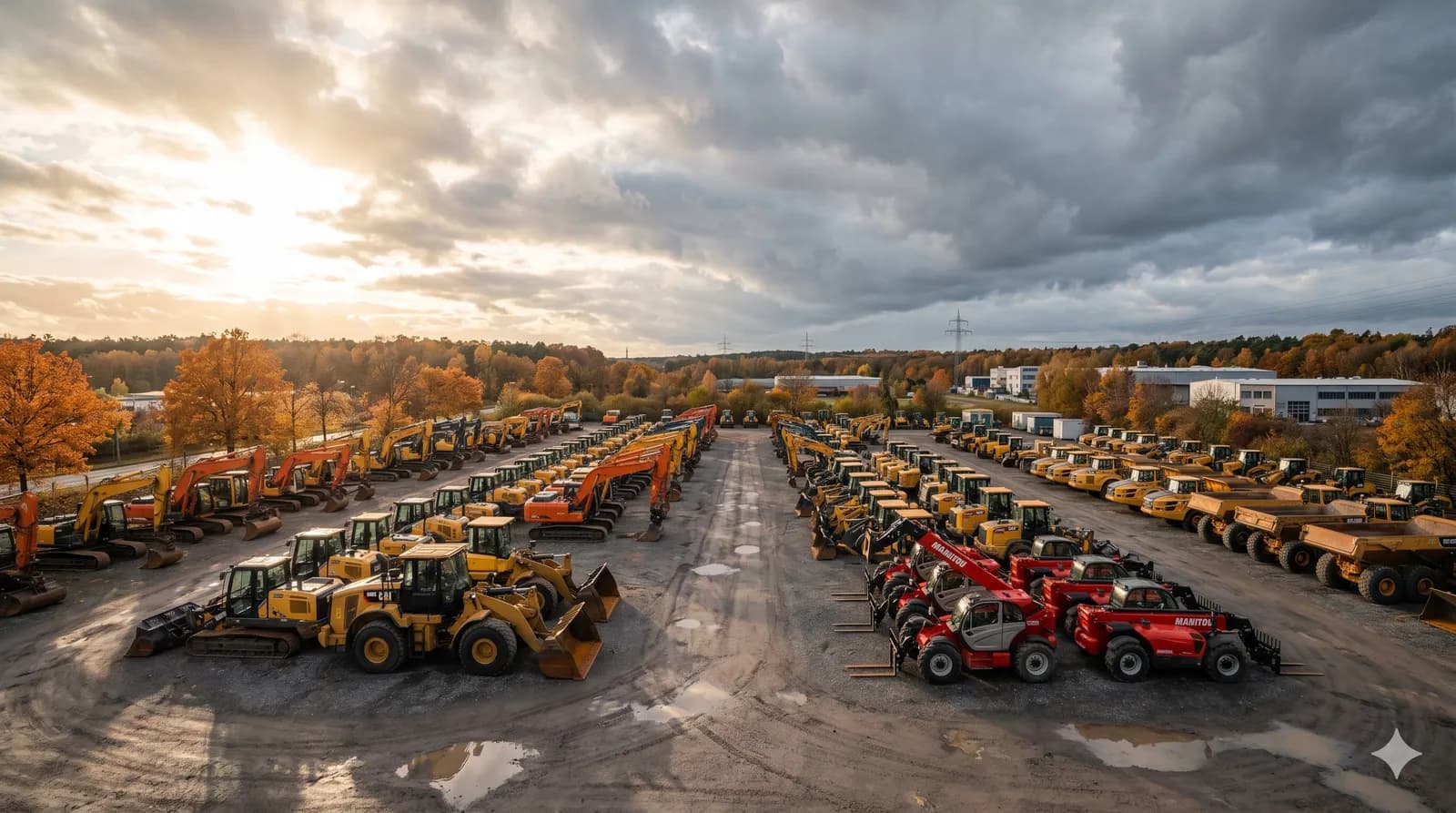
Demand for equipment rarely stays flat across the year. The fleet that works is built around the principle: own the baseline you use all year, rent the peak you only need in season.
Equipment demand rises and falls through the year, and a fleet sized for the peak sits half-idle the rest of the time. The principle that works is simple: own the baseline you use all year, rent the peak you only need in season. Get that split right and you keep owned machines busy while turning seasonal spikes into a cost that appears only when the work does.
Separate baseline from peak
The first move is to split demand into two layers.
- The baseline is the level of equipment you use more or less continuously, across every month. It earns its keep through high utilisation, so it makes sense to own or lease it.
- The peak is the extra capacity you need only during the busy season — the machines that would otherwise stand idle for months.
Owning the peak is where money leaks away. A machine bought to cover a few busy weeks spends most of the year depreciating, insured and maintained while earning nothing. That is the capacity to rent.
Forecast from your own data
You do not need a forecasting department. You need last year's records.
Look back at which machines were busy, when, and for how long across previous seasons. Patterns repeat: the same trades, the same weather windows, the same client cycles. Lay your confirmed and likely workload for the year ahead over that history and the baseline-versus-peak split usually becomes obvious. The goal is not a perfect prediction but a clear enough picture to know what to own and what to line up as rental.
Lock in the peak before it arrives
The risk with renting the peak is that everyone in your region needs the same machines at the same time, so availability tightens and prices climb exactly when you are exposed.
A framework agreement solves this. You negotiate rates and terms with a rental supplier in advance, then call off machines quickly when demand hits. It secures both price and availability before the season, rather than leaving you scrambling for kit at spot rates alongside every competitor. For predictable seasonal businesses, lining this up in the quiet months is one of the highest-leverage things you can do.
Keep utilisation high in the troughs
Managing the peak is only half the job. The quiet season is where owned fleets bleed.
If an owned machine has nothing to do for months, that is a signal it might belong in the peak layer, not the baseline. Pushing equipment utilisation higher — through better scheduling, internal hire between sites, or sub-hiring spare capacity to others — is what makes owning the baseline pay off. The same discipline that decides what to own also decides whether your owned machines earn their keep year-round.
A practical sequence
- Pull utilisation history for each machine type over the last one or two seasons.
- Mark the level used every month — that is your baseline.
- Mark the seasonal spike above it — that is your peak.
- Own or lease the baseline; plan to rent the peak.
- Negotiate a framework agreement before the busy season starts.
- Track utilisation through the troughs and re-classify anything that sits idle.
Decide what to own with the numbers
The own-the-baseline, rent-the-peak split is the same calculation that sits behind any buy-versus-rent decision, just applied across a year of changing demand. The reasoning that applies to a shipyard's rent, lease or buy choice applies here too: high, steady use favours owning; intermittent, seasonal use favours renting.
To test where each machine falls for your own demand pattern and rates, run the figures through the rent vs lease vs buy calculator.
Frequently asked questions
- How should I size my fleet for seasonal demand?
- Split demand into a baseline you use all year and a peak that only appears in season. Own or lease enough to cover the baseline, where high utilisation justifies the cost, and rent the peak rather than buying machines that sit idle most of the year. This keeps owned assets busy and turns seasonal spikes into a variable cost.
- What is a framework rental agreement?
- A framework agreement is a pre-negotiated arrangement with a rental supplier that sets rates and terms in advance, so you can call off machines quickly when peak demand hits. It secures availability and price before the busy season, which beats scrambling for kit when everyone else needs it too.
- How do I forecast seasonal equipment demand?
- Start with your own history. Look at which machines were busy, when, and for how long over previous seasons, then layer in your confirmed and likely workload for the year ahead. The aim is to separate the steady baseline from the predictable peak so you know what to own and what to line up as rental.
Sources & further reading
About the author
Equiply Editorial TeamEquipment Finance Editorial Team
The Equiply editorial team covers industrial and maritime equipment access — rental, leasing and financing — for procurement and finance leaders across Europe.
Compare your options on Equiply
Equiply brings rental, leasing and financing for industrial and maritime equipment into one place. Be first to access the marketplace.